About Whitetip
Whitetip Investments AEPEY is a regulated Brokerage, Investment Advisory and Asset Management firm committed to delivering high standards of service, operational excellence, and regulatory compliance. We place strong emphasis on integrity, transparency, and continuous improvement, ensuring that our clients receive professional and reliable experience at every stage of their interaction with us.
The Role
We are seeking a highly professional and detail-oriented German-Speaking Compliance & Quality Associate to join our team at our Athens offices. The successful candidate will:
Support quality assurance processes to help maintain and improve customer service standards.
Ensure client interactions comply with internal policies and regulatory requirements.
Communicate directly with German-speaking clients, providing clear and professional support.
Assist clients with the use of the Whitetip Investments Trading platform.
Facilitate the collection and review of required KYC documentation when needed.
Help maintain a consistent, compliant, and high-quality client experience.
Exercise sound judgment, discretion, and strong responsibility in handling client matters.
Contribute to the ongoing enhancement of service quality and compliance practices.
Key Requirements
Native or near-native fluency in German (written and spoken)
English proficiency level
Bachelor’s degree in Economics or relevant field
Excellent communication and interpersonal skills
Strong attention to detail and organizational abilities
Professional demeanor and compliance-oriented mindset
Ability to work full-time onsite in Athens
Preferred Qualifications
Prior experience in the financial services sector will be considered an asset
Whitetip offers a professional working environment that values accountability, structure, and long-term development.
GERMAN
Über Whitetip
Whitetip Investments AEPEY ist ein reguliertes Unternehmen im Bereich Brokerage, Anlageberatung
und Vermögensverwaltung, das sich der Bereitstellung hoher Servicestandards, operativer Exzellenz
und regulatorischer Compliance verpflichtet hat. Wir legen großen Wert auf Integrität, Transparenz
und kontinuierliche Verbesserung und stellen sicher, dass unsere Kunden in jeder Phase ihrer
Interaktion mit uns eine professionelle und zuverlässige Erfahrung erhalten.
14 Solonos str. 10673. Athens. Greece
T: +30 210 722 1000 F: +30 210 723 8541, info@whitetip.gr
whitetip.gr
Die Position
Wir suchen einen hochprofessionellen und detailorientierten deutschsprachigen Compliance & Quality
Associate zur Verstärkung unseres Teams in unserem Büro in Athen. Der erfolgreiche Kandidat wird:
Mitwirkung an Qualitätssicherungsprozessen zur Aufrechterhaltung und
kontinuierlichen Verbesserung der Kundenservicestandards
Sicherstellung der Einhaltung interner Richtlinien und regulatorischer Anforderungen
in der Kundenkommunikation
Direkte Kommunikation mit deutschsprachigen Kunden sowie Bereitstellung
professioneller und klarer Unterstützung
Betreuung von Kunden bei der Nutzung der Handelsplattform von Whitetip Investments
Mitwirkung bei der Erfassung und Überprüfung der erforderlichen KYC-
Dokumentation bei Bedarf
Sicherstellung einer konsistenten, regelkonformen und qualitativ hochwertigen
Kundenerfahrung
Anwendung von fundiertem Urteilsvermögen, Diskretion und einem hohen Maß an
Verantwortungsbewusstsein im Umgang mit Kundenangelegenheiten
Beitrag zur kontinuierlichen Weiterentwicklung der Servicequalität und Compliance-
Prozesse
Anforderungen
Deutschkenntnisse auf nahezu – muttersprachlichem Niveau (Wort und Schrift)
Englisch proficiency level
Bachelorabschluss in Wirtschaft oder einem relevanten Fachbereich
Ausgezeichnete Kommunikations- und zwischenmenschliche Fähigkeiten
Hohe Detailgenauigkeit und ausgeprägte organisatorische Fähigkeiten
Professionelles Auftreten und eine compliance-orientierte Denkweise
14 Solonos str. 10673. Athens. Greece
T: +30 210 722 1000 F: +30 210 723 8541, info@whitetip.gr
whitetip.gr
Fähigkeit, Vollzeit vor Ort in Athen zu arbeiten
Bevorzugte Qualifikationen
Berufserfahrung im Finanzdienstleistungssektor wird als Vorteil angesehen
Whitetip bietet ein professionelles Arbeitsumfeld, das Verantwortungsbewusstsein,
Struktur und langfristige Entwicklung wertschätzt.
Contact email: hr@whitetip.gr




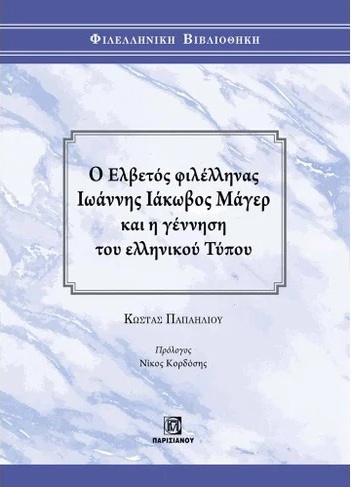 Ο Κώστας Παπαηλιού δημοσίευσε τον 7ο τόμο της σειράς: “Φιλελληνική Βιβλιοθήκη” με τίτλο:
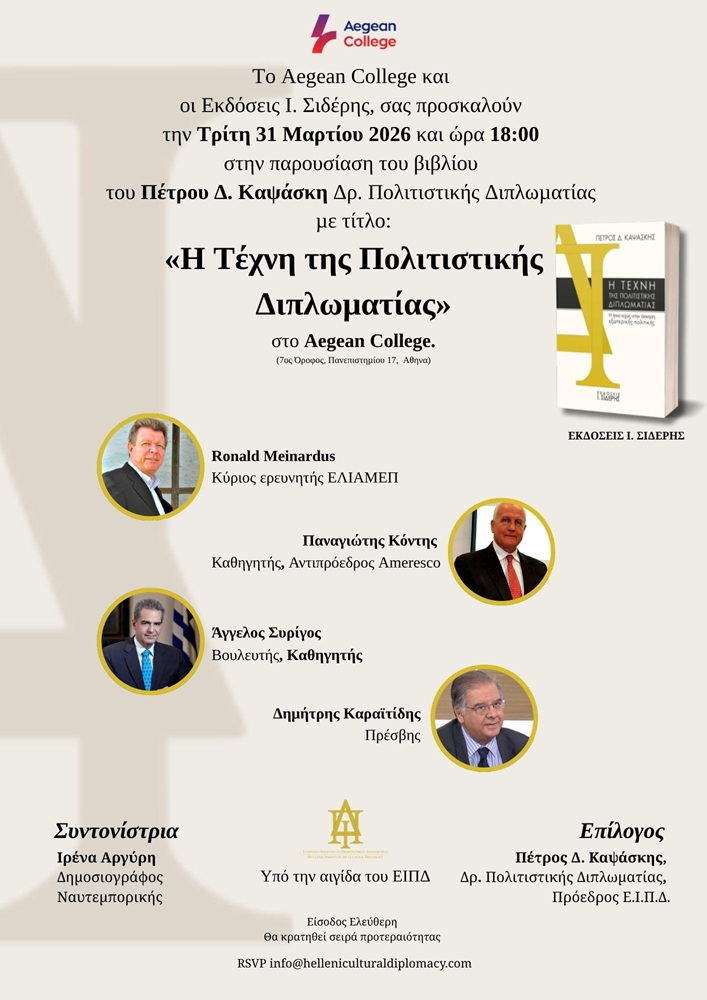 Το Aegean College και οι Εκδόσεις Ι. Σιδέρης παρουσιάζουν
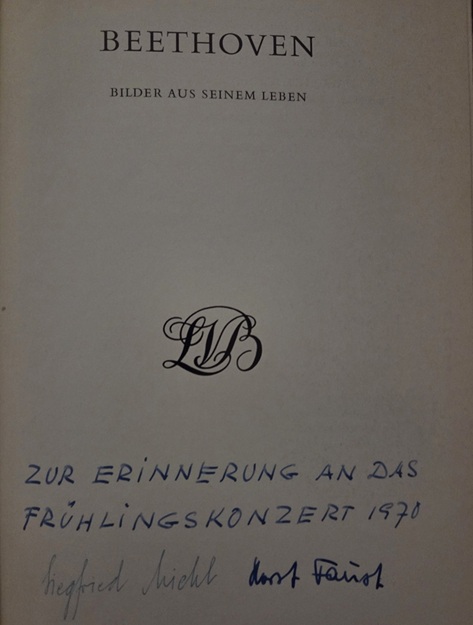
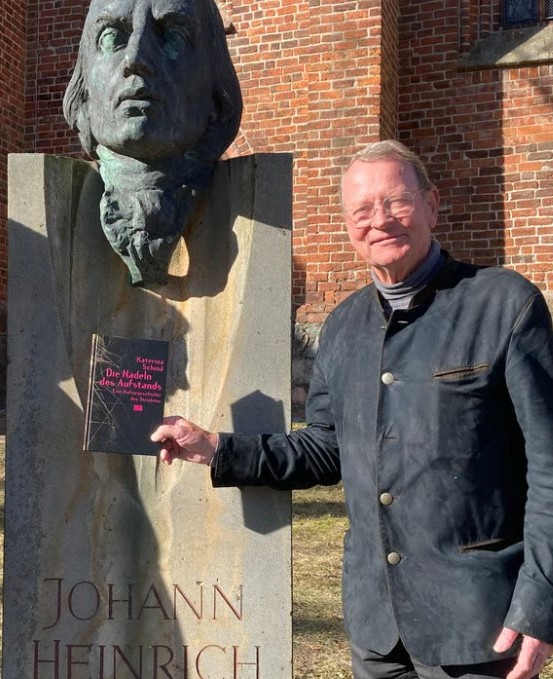 Την Κυριακή 29.3.2026 πραγματοποιήθηκε η απονομή του Βραβείου Μετάφρασης του Ιδρύματος Johann-Heinrich-Voß. Η ημερομηνία αναβλήθηκε κατά έξι μήνες, προκειμένου να τιμηθεί η 200ή επέτειος από τον θάνατο του Voß, του μεταφραστή της Ιλιάδας και της Οδύσσειας.
 Dr. Ulf-Dieter Klemm, Mitglied der Fachjury,
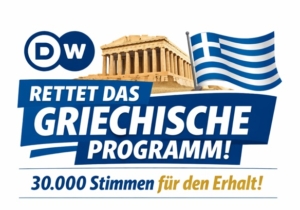
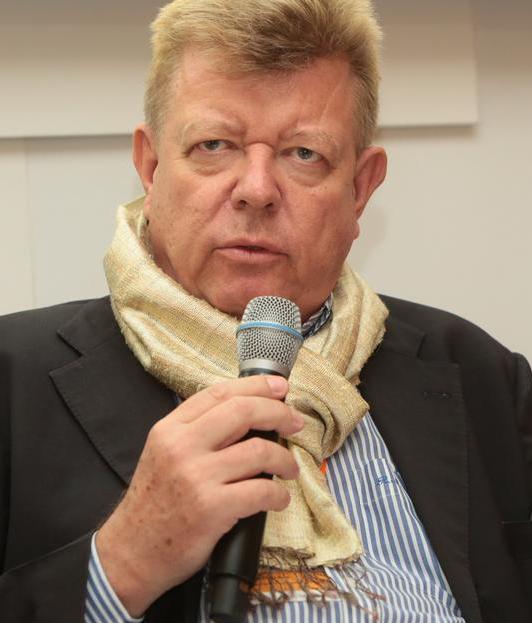 Ο Ρόναλντ Μαϊνάρντους δημοσίευσε την 1.4.2026 ένα άρθρο στην αγγλική έκδοση της εφημερίδας “Καθημερινή” (ekathimerini.com) σχετικά με την μάχη που δίνεται για την σωτηρία της ελληνικής υπηρεσίας της DW. Το άρθρο δημοσιεύτηκε και στα ελληνικά την αμέσως επόμενη ημέρα:
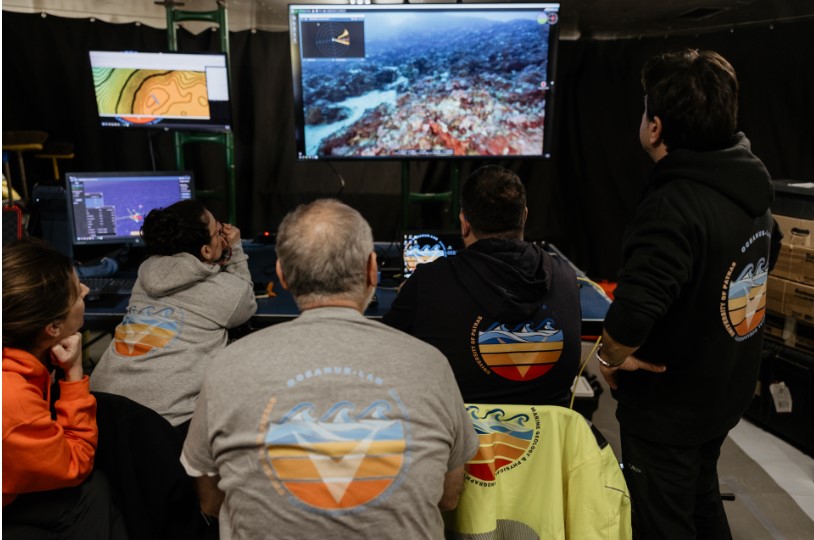 Στη 10ήμερη αποστολή που ξεκίνησε στις 2 Φεβρουαρίου 2026, με αφετηρία την περιοχή των Μεθάνων, διενεργήθηκε για πρώτη φορά κοινή επιχειρησιακή και ερευνητική δράση του πλοίου «Τυφώνας» του Κοινωφελούς Ιδρύματος Αθανάσιος Κ. Λασκαρίδης με το Oceanus Lab του Πανεπιστημίου Πατρών και του ερευνητικού πλοίου Ω/Κ «ΑΙΓΑΙΟ» του Ελληνικού Κέντρου Θαλασσίων Ερευνών (ΕΛΚΕΘΕ), στο πλαίσιο του Saronicos Project. Σκοπός του προγράμματος είναι η αποκρυπτογράφηση του βυθού του Σαρωνικού μέσα από τη συλλογή κρίσιμων επιστημονικών δεδομένων και την ενίσχυση της προστασίας και αποκατάστασης του κόλπου.
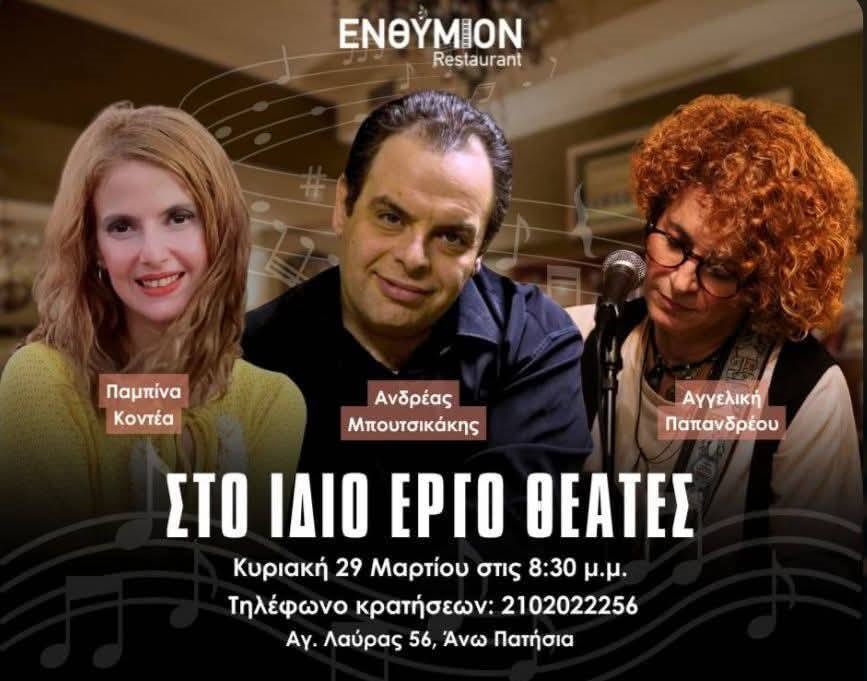 Την Κυριακή 29 Μαρτίου 2026 στις 8.30 μμ, στον ατμοσφαιρικό μουσικό χώρο του εστιατορίου “ΕΝΘΥΜΙΟΝ” θα είναι και η Αγγελική Παπανδρέου με την φωνή και την κιθάρα της, με δύο εξαιρετικούς καλλιτέχνες, τον μαέστρο Ανδρέα Μπουτσικάκη στο πιάνο και την Παμπίνα Κοντέα με τις μοναδικές της ερμηνείες… για να ενώσουν μαζί σας φωνές και ψυχές. Η ξεχωριστή οικοδέσποινα του χώρου στην υποδοχή και ο καταπληκτικός σεφ θα φροντίσουν την γαστρονομική σας απόλαυση.
 Χρόνια Πολλά και ειρηνικά, ευλογημένα και παραγωγικά, ένεκα της διπλής εορτής , πρώτον της Θεομητορικής Εορτής του Ευαγγελισμού της Θεοτόκου, και δεύτερον, του Ευαγγελισμού του Έθνους.